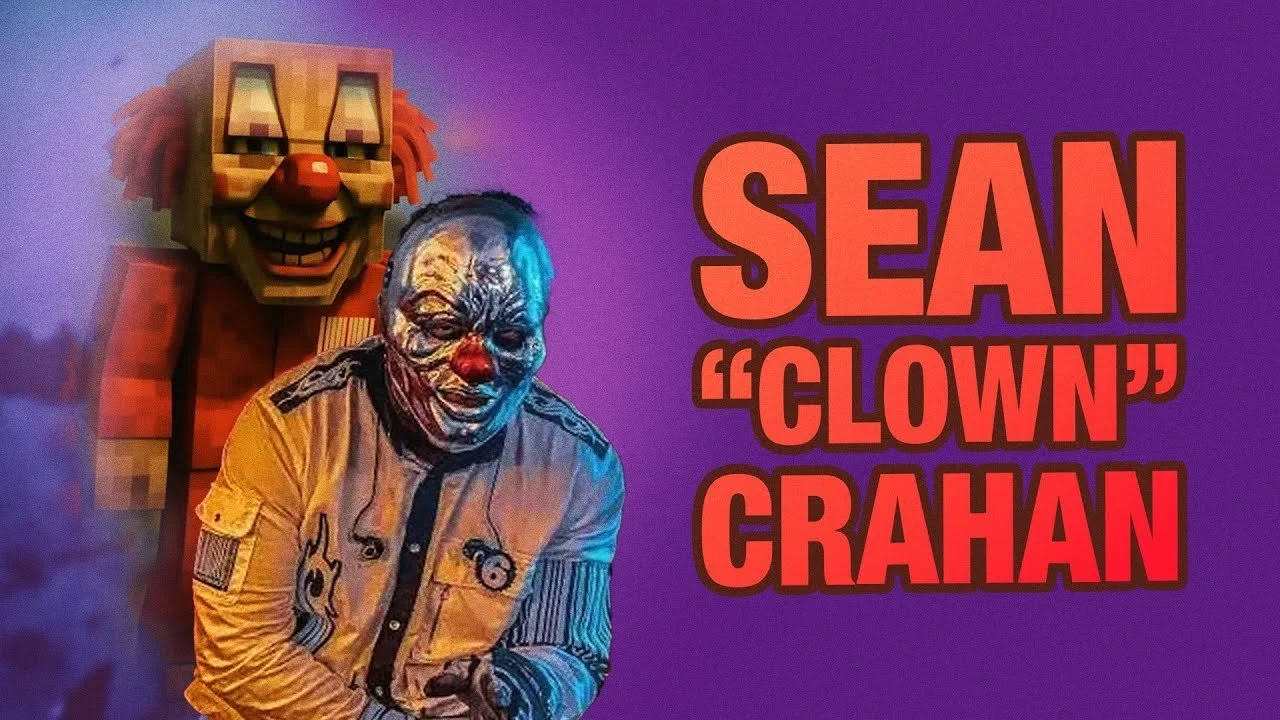
Slipknot's Co-Founder: Building Games Like You Build a Band
 Deconstructor of FunDecember 22, 20254 min read1 views
Key takeaways by Jen Donahoe , founder of JadeInferno Consulting and host of the Deconstructor of Fun podcast, with one of metal's most creative minds on building Vernearth and what the industry gets wrong about working with artists. When Shawn "Clown" Crahan joined the Deconstructor of Fun podcast , I expected to talk about Vernearth, his ambitious new multi-mode Minecraft realm . What I got instead was a masterclass in what the game industry fundamentally misunderstands about creative collaboration .
A quick introduction for those unfamiliar: Clown is the co-founder and percussionist of Grammy-winning metal band Slipknot , and the creative force behind the band's iconic masks and visual identity. But here's what surprised me: his gaming credentials run deeper than most industry veterans. He was modding Quake when id Software released OpenGL in the 90s, building in Unity's early creator marketplace, and has been developing Vernearth for four years.
This isn't a celebrity vanity project; it's the work of someone who's been in the trenches of game creation for three decades. Takeaway 1: Stop Treating Artists Like They Don't Understand Business "Anything worth doing is worth doing for money. Because none of what I'm doing is free.
" There's a persistent assumption in the industry that creative types don't grasp commercial realities. Clown dismantles this: he asks "good questions," ensures "the business is good so it can stay open for everyone," and approaches development with the same rigor any studio founder would. All while also worrying about security, moderation, and sustainability.
The lesson: Artists who build their own projects aren't naive about money. They've often invested heavily both financially and emotionally. Meet them as business partners, not talent to be managed.
Takeaway 2: The "$25 Million Wall" Is Killing Innovation "It's always the same story. They don't even want to talk about the idea unless I have $25 million and two years to get started... Hey, I agree.
" This barrier can filter out unconventional ones. The result? "You're going to go with something you think is going to win.
Good luck with that. " The lesson: Create pathways for creative conversations that don't require artists to clear financial hurdles first. You might discover ideas that don't fit your existing categories, which is exactly the point.
Takeaway 3: Remove the Fences From the Creative Process "The number one problem between the left and the right brain is the limits. Why do the fences go up? Is it that the artist is not focused, can't multitask...
Deconstructor of Fun
deconstructoroffun.com