The Hidden Cost of Studio Engineering
 Deconstructor of FunJuly 13, 20266 min read1 views
Microsoft fired id Software’s tech team (Doom, Quake, Wolfenstein). Rovio’s internal tech team contributed to a record $200 million impairment charge on the SEGA acquisition. These are just a few recent cases that got me thinking: is building rather than buying actually more expensive for a studio?
When I worked inside studios or led one, we always wanted to use third-party tools. The usability of external tools was usually very good. The teams behind them were extremely responsive.
We could influence the roadmaps. And yet at every studio, the internal tech team vetoed studios’ demands to use a tool they hadn’t made. And it always happened the same way: A vendor demo goes well.
The product is solid. The team using the tool likes it and wants to continue with it. Then there is a meeting.
” The vendor loses the deal. The studio loses the tool. The central tech team spins up a project.
After a longer-than-expected period, the internal product goes live. It’s usually less robust than the third-party version; after all, the vendor’s sole focus is on this one product. And it’s not cheaper either, as the tool now requires a team to work on it.
This is the build-vs-buy analysis coming from someone who has led studios. And in my experience, the gaming industry gets it wrong more consistently than almost any other sector, because the accounting makes internal builds look free when they are not. If you’re here to lead, not to read, check the Total Cost of Ownership Calculator below.
The Accounting Illusion When you license a third-party tool, the cost is visible. It lands on a budget line. It requires approval.
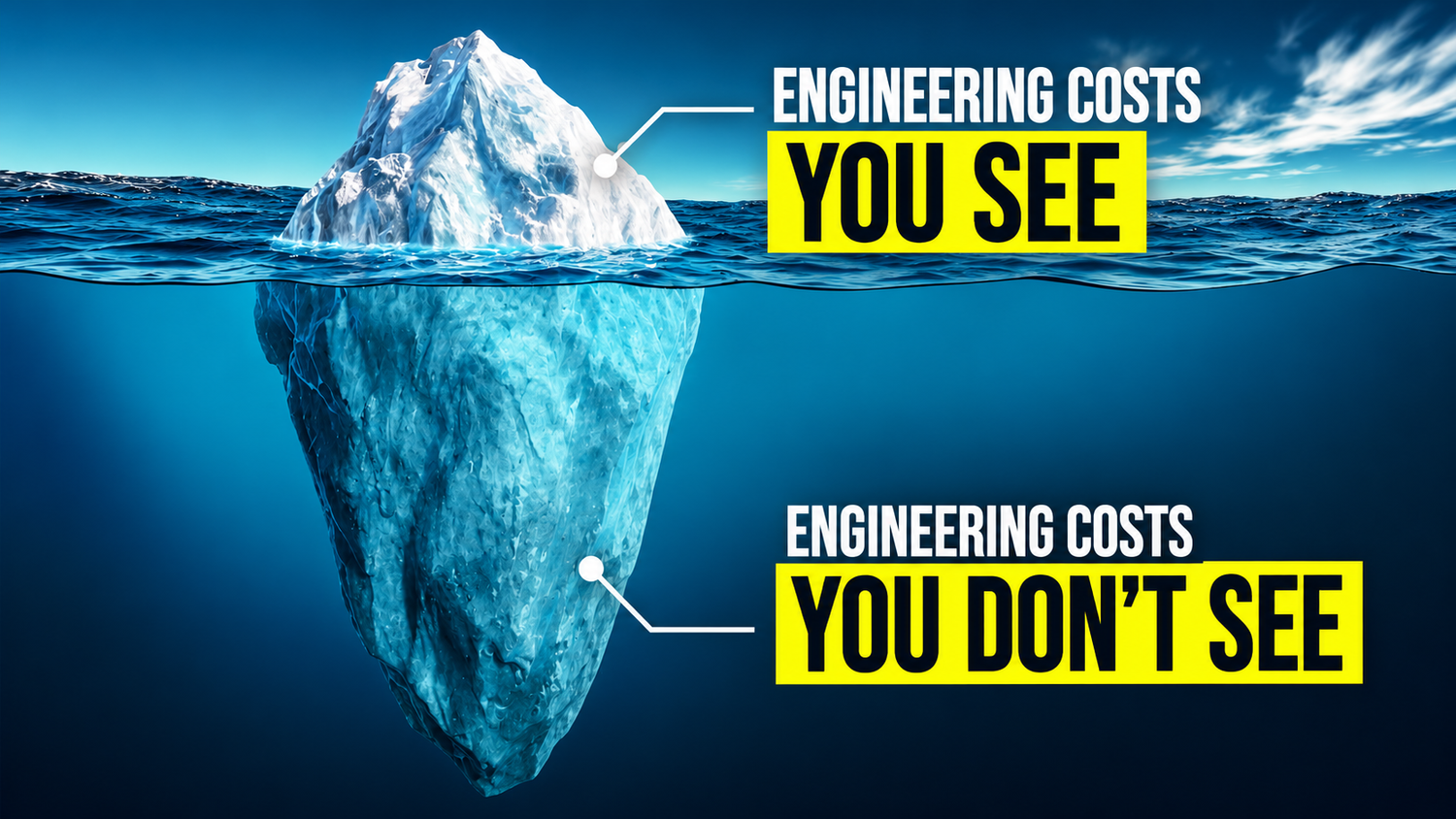
It feels like spending money. When you build the same thing internally, the costs disappear into existing salaries, absorbed into sprint cycles, and categorized as engineering or an investment in the company’s “core technology”. Because nobody approves a monthly invoice, the build decision appears to cost nothing.
After all, you already have the engineering team. But your internal engineers are not free. They are expensive professionals whose time has an opportunity cost.
Every month spent building auth systems, leaderboard infrastructure, matchmaking logic, or economy tooling is a month not spent building what differentiates your game. That cost is real. It just does not appear on any invoice.
Deconstructor of Fun
deconstructoroffun.com